
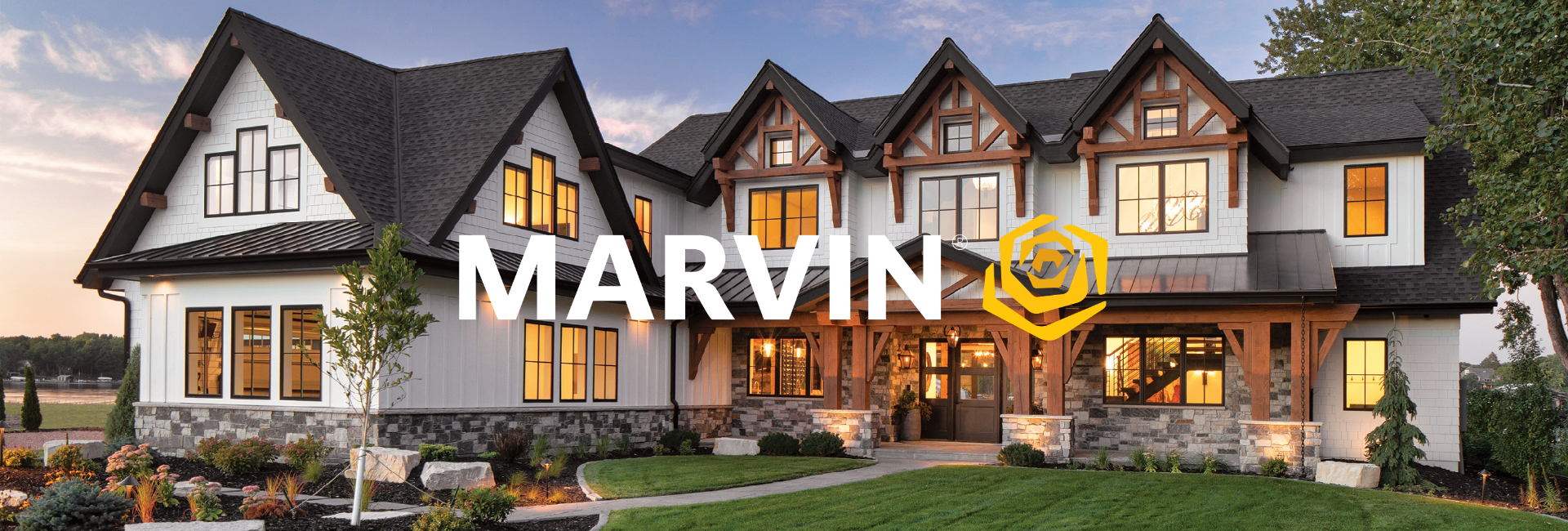
Marvin® Window Types for Denver, CO Homes
Marvin® windows come in several distinct styles, and the right one for your home depends on how a room is used, how it needs to open, and how much daylight you want. Gravina's Window Center of Littleton® installs the full Marvin® collection for Denver and Front Range homeowners from our North Denver showroom, including double hung, casement, sliding, and round top styles. Below is a straightforward breakdown of each type, what it's built for, and how to know which one fits your project.
Why Denver Homeowners Trust Gravina's Window Center of Littleton® for Marvin® Windows
Choosing the right window type affects comfort, natural light, ventilation, and how a room actually functions, not just how it looks. Gravina's Window Center of Littleton® has helped Colorado homeowners make that decision for more than 53 years as Colorado's oldest Marvin® dealer. Our in-house, Marvin-trained installation teams take exact measurements, seat and seal every frame to spec, and walk you through which style fits your home's architecture, room use, and daylight goals, not just what's trending. Contact us today to schedule your free Marvin® window consultation.
Marvin® Window Types: Which Style Fits Your Denver Home
Double Hung Windows
Double hung windows have two operable sashes that slide vertically, so both the top and bottom can open independently. That makes them a strong fit for rooms where you want flexible airflow control, bedrooms and bathrooms especially, since you can crack the top sash for ventilation without a fully open window at reach height. They're also the most familiar style for Denver's older and traditional-architecture homes, matching sightlines homeowners are used to while delivering current Marvin® performance. One tradeoff to know: because only half the opening is unobstructed at any time, double hung windows move less air than a style that opens fully, like casement, so they're a weaker fit for rooms where you want maximum airflow. See full double hung window details.
Casement Windows
Casement windows crank outward on a side hinge, opening the entire sash for full airflow rather than the half-opening you get with a sliding sash. That full opening also means a tighter compression seal when closed, which matters for energy performance during Denver's temperature swings. They're a good fit over sinks, counters, and other hard-to-reach spots where a crank is easier to operate than lifting a sash, and their unobstructed glass, with no center rail splitting the view, suits contemporary and modern home styles. One tradeoff worth knowing: the outward swing can interfere with window-mounted air conditioners, screens on the exterior side, or tight walkways like decks and patios, worth checking before you commit to casement in those spots. See full casement window details.
Sliding Windows
Sliding windows open horizontally, with one or both sashes gliding along a track rather than swinging out or lifting up. That horizontal motion makes them a strong fit for wider openings, over kitchen sinks, along walkways, or anywhere a swinging sash would hit a deck, patio, or walking path. They're also a common choice for contemporary Denver homes and additions where a wide, low-profile opening fits the architecture better than a taller double hung. One tradeoff to know: like double hung windows, only half the opening is unobstructed at a time, so sliders move less air than a fully-opening style like casement, worth factoring in for rooms where ventilation is the priority. See full sliding window details.
Round Top & Specialty Windows
Round top and specialty-shape windows are fixed, non-operating windows built to a custom arch, circle, or angled profile rather than a standard rectangular opening. They're typically paired above a double hung, casement, or sliding window to add architectural detail and extra daylight without adding a second operable unit. Because they don't open, they're not a ventilation option on their own, they're a design and light feature, best suited for entryways, stairwells, and gable-end walls where a fixed shape complements the home's roofline. One thing to know before ordering: because these are custom-shaped, lead times typically run longer than standard rectangular windows, worth factoring into your project timeline. See full round top window details.
Marvin's Vivid™ collection is also available through Gravina's Window Center of Littleton® for homeowners who want a bolder, low-maintenance fiberglass finish. Learn more about the Marvin® Vivid collection.
Ready to talk through which Marvin® window type fits your home? Contact us today for a free consultation, and ask about current specials and financing options.
Marvin® Window Type Comparison
| Window Type | Best For | Key Tradeoff | Learn More |
|---|---|---|---|
| Double Hung | Bedrooms, bathrooms, traditional-architecture homes | Only half the opening is unobstructed at a time | Details |
| Casement | Hard-to-reach spots, full airflow, modern homes | Outward swing can conflict with AC units, screens, tight walkways | Details |
| Sliding | Wide openings, kitchen sinks, contemporary homes | Only half the opening is unobstructed at a time | Details |
| Round Top & Specialty | Entryways, stairwells, architectural accent light | Fixed, doesn't ventilate; longer lead times | Details |

Common Questions About Marvin® Window Types
What’s the difference between casement and double hung windows?
Casement windows crank outward and open the entire sash for full airflow. Double hung windows slide vertically and only ever have half the opening clear at once. Casement seals tighter when closed since the sash compresses against the frame, while double hung gives you more flexibility for partial ventilation, useful when you want the top cracked without a full opening at reach height.
Which window style works best for bedroom egress?
Operable styles with a full clear opening, casement and larger double hung windows among them, generally work best for meeting Colorado’s bedroom egress requirements. Exact clear-opening dimensions vary by code and by window size, so we confirm egress compliance for your specific opening during a consultation.
Can I mix window types in the same house?
Yes, mixing styles room to room is common: casement over kitchen sinks and in bathrooms, double hung in bedrooms, sliding windows for wide living-room openings, round top accents over entries. The main thing to keep consistent for curb appeal is frame color and sightline width across visible windows on the same wall or elevation.
Do round top windows cost more to replace?
Custom shapes typically cost more than standard rectangular windows of comparable size, since they’re manufactured to a one-off pattern rather than a stock size. Exact pricing depends on the shape, size, and glass package. We’ll provide a specific quote during your free consultation.